

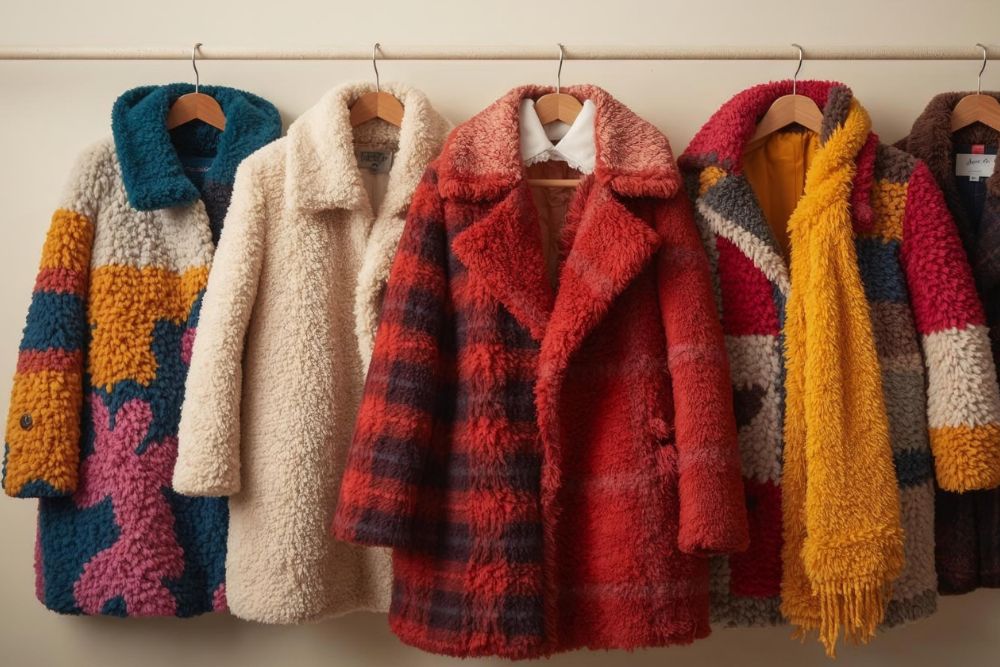
From Fishermen to Fashion Icons: The Heritage of British Woollens
Salt, Wind, and Wool Where It All Started
Cold bites differently at sea.
It doesn’t just chill you it creeps in, settles into your bones, lingers like an uninvited guest. British fishermen knew this long before weather apps started throwing warnings around. They didn’t have “performance fabrics.” They had wool. Thick. Heavy. Slightly itchy, if we’re being honest.
And yet it worked.
Those early woollen garments weren’t designed in studios or sketched under soft lighting with cappuccinos nearby. They were born out of necessity. Survival, really. The yarn was tightly spun, almost stubbornly so, locking in warmth while shrugging off damp air. Not waterproof. But close enough to keep a man from freezing before sunrise.
And here’s the part people miss: those sweaters weren’t random. The patterns those braided cables and diamond shapes often told quiet stories. Family lines. Fishing communities. A kind of stitched identity. Imagine wearing your surname without ever saying it.
Now pause for a second.
Does that sound familiar?
Because today, when someone talks about Custom Jerseys UK , they’re chasing the same instinct identity, expression, belonging just with sleeker fabrics and brighter dyes.
Different era. Same urge.
Wool Gets Noticed (And Leaves the Shore)
At some point, wool stepped off the docks.
Not dramatically. No grand announcement. It just… drifted. From fishermen to farmers. From farmers to townspeople. And then inevitably into the curious hands of designers who saw more than just utility.
Texture. That’s what hooked them.
Wool isn’t smooth like silk or crisp like cotton. It has character. Tiny irregularities. A surface that feels alive, almost breathing. Designers couldn’t ignore it. So they didn’t.
By the 19th century, British wool had become something else entirely. Structured coats. Tailored pieces. Garments that walked into rooms instead of braving storms. The same material that once faced crashing waves was now brushing against polished wood floors in London drawing rooms.
Strange transition, right?
But not really.
Because fashion has always had this habit it steals from function. Then it polishes it. Then it sells it back with a story.
And wool? It came with a damn good story.
The Quiet Evolution into Streetwear and Sports
Fast forward. Skip a few decades. Actually skip a century.
Now we’re in a world where clothing doesn’t just protect you; it announces you.
Sports jerseys. Streetwear. Statement pieces. Loud colors. Names on the back. Numbers that mean something or sometimes nothing at all.
And here’s where it gets interesting.
The DNA of woollen heritage? It didn’t disappear. It adapted. Quietly.
You see it in structure. In layering. In that obsession with durability. Even in the emotional side of things the idea that what you wear says something before you even speak.
Think about someone deciding to get customised my NBA jersey printed. That’s not just about basketball. It’s personal branding. It’s nostalgia. Maybe it’s a tribute to a player, or maybe just maybe it’s about putting your own name where legends usually sit.
That impulse? It echoes those old fishermen patterns.
Different tools. Same instinct.
Why Wool Still Matters (Even When It’s Not Obvious)
Let’s not pretend wool dominates modern wardrobes. It doesn’t. Synthetic fabrics took over for a reason they’re lighter, cheaper, easier to mass-produce.
But wool never really left.
It just became… selective.
High-end fashion still circles back to it. Designers revisit it like musicians revisiting vinyl because there’s depth there. Something raw. Something you can’t quite fake.
And honestly? There’s a quiet rebellion in wearing wool today.
In a world obsessed with fast, disposable clothing, wool feels stubborn. It lasts. It ages. It refuses to be replaced every season. You don’t just wear it you keep it. Sometimes for years.
That’s not trendy. That’s personal.
From Need to Narrative The Shift That Changed Everything
Here’s a thought.
Clothing used to answer one question: Will this keep me alive?
Now it answers a completely different one: Will this represent me?
That shift changed everything.
Wool started as armor against the elements. Now, its legacy feeds into how we design identity-driven apparel especially in sports culture. When someone chooses to Design Custom NFL Jersey, they’re doing more than picking colors and fonts.
They’re crafting a version of themselves.
And if you strip it down, that’s not far from what those early knitters were doing embedding identity into fabric, just without digital tools or design software.
Funny how things loop back.
The Unexpected Parallel Between Heritage and Customization
Let me take a slight detour here.
Imagine a fisherman from 200 years ago holding one of today’s custom jerseys. Bright. Lightweight. Covered in typography and logos. He’d probably laugh. Or stare. Or both.
But then if you explained it?
“This pattern is mine.”
“This name is mine.”
“This number means something to me.”
He’d get it.
Immediately.
Because beneath all the evolution, all the technology, all the branding there’s a shared human habit: we want to belong somewhere, and we want to stand out at the same time.
Contradictory? Sure. But real.
Where Tradition Meets Personal Style Today
Look around today and you’ll notice something subtle.
People mix things now.
A wool coat over a graphic hoodie.
Classic textures paired with bold, modern prints.
Old-world materials clashing in a good way with new-world expression.
It’s not accidental.
We’re pulling threads from the past and stitching them into something new. Not out of nostalgia, exactly. More like curiosity. Or maybe respect.
And this is where your world custom jerseys, personalized apparel fits perfectly.
Because while wool gave us the foundation, customization gives us freedom.
You’re no longer limited to what’s available. You decide. Colors, names, numbers, symbols. You’re not just wearing something you’re declaring something.
That’s powerful.
So… From Fishermen to Fashion Icons?
Yeah. It sounds dramatic. But it’s true.
A material that once battled icy winds now walks runways and fills wardrobes that have never seen the sea. And along the way, it quietly influenced how we think about clothing not just as protection, but as expression.
That’s the real story here.
Not wool itself.
Not fishermen.
Not even fashion.
It’s the shift from need to meaning.
And once you see it, you can’t unsee it.
One Last Thought
Next time you see a custom jersey whether it’s basketball, football, or something else don’t just see it as merch.
Look closer.
There’s a line running through it. Invisible, but there.
From cold mornings at sea…
to crowded stadiums under bright lights…
to someone, somewhere, choosing a name and saying
“This is mine.”
And honestly?
That’s a better story than most people realize.
Author

Elena
Meet Elena Bloom, beauty writer sharing skincare, makeup, haircare tips, and beauty trends at The Unleashed Beauty.