
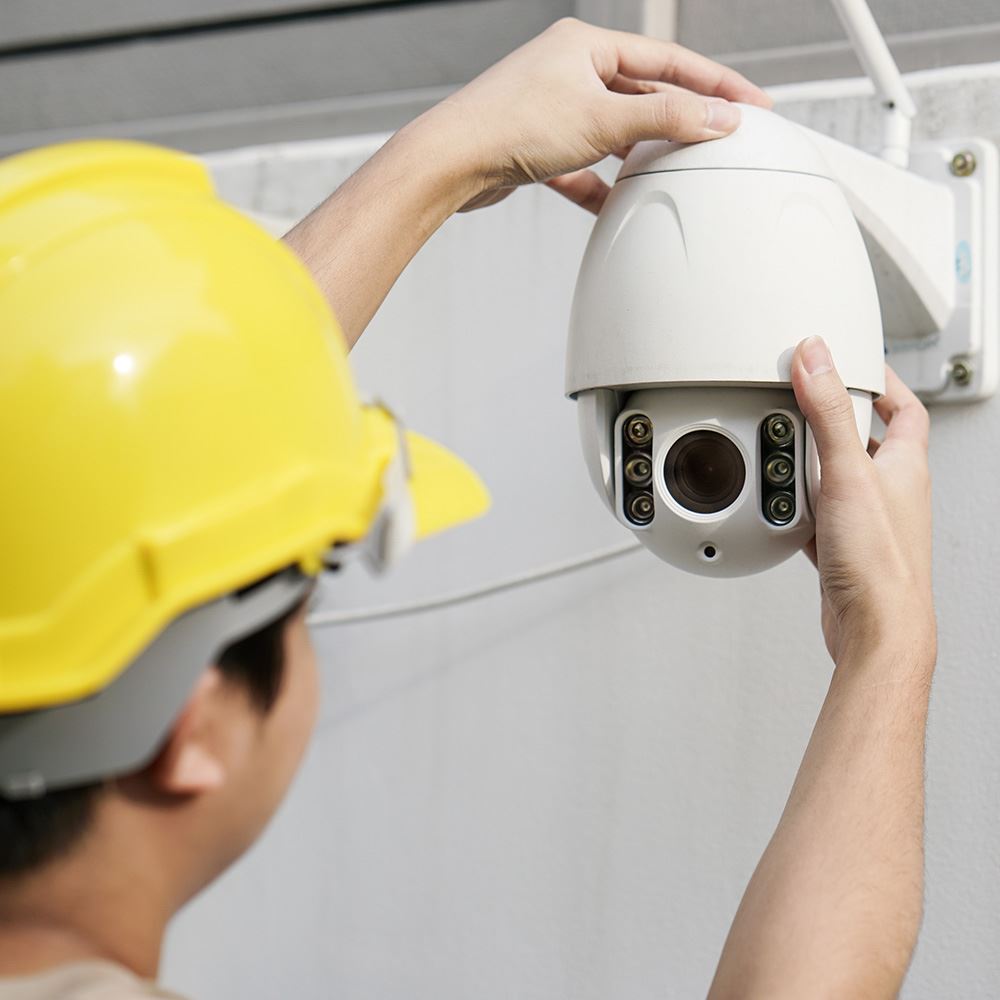
Warehouse environments are high-value operational spaces where stock movement, heavy equipment, and staff coordination happen daily. A professionally planned CCTV installation plays a vital role in protecting inventory, improving workplace safety, and ensuring operational transparency. Whether managing a distribution centre, storage facility, or logistics hub, investing in a reliable surveillance system is no longer optional—it is essential.
Modern warehouse security systems go beyond simple recording. Today’s camera technology integrates with access control, alarm systems, and remote monitoring platforms to create a comprehensive protection network. Businesses that choose professional installation benefit from better coverage, reduced blind spots, and long-term reliability.
Why CCTV Installation Is Essential for Warehouses
Warehouses face unique security challenges compared to offices or retail spaces. Large open layouts, multiple entry points, loading bays, and high-value goods increase vulnerability.
Preventing Inventory Loss and Theft
Inventory shrinkage can occur due to:
- Internal theft
- Unauthorized access
- Shipment discrepancies
- Supplier fraud
- Break-ins during off-hours
A properly designed warehouse CCTV system helps monitor storage racks, dispatch areas, and receiving zones. High-definition security cameras provide clear footage that can be used for dispute resolution, insurance claims, and internal investigations.
Visible surveillance cameras also act as a strong deterrent. When employees and visitors know monitoring is active, incidents of misconduct are significantly reduced.
Enhancing Staff Safety and Compliance
Warehouse operations involve forklifts, heavy machinery, and manual handling tasks. A smart CCTV installation helps ensure:
- Safe forklift operation
- Compliance with workplace safety protocols
- Proper use of protective equipment
- Monitoring restricted zones
- Quick review of accident footage
In case of workplace incidents, recorded footage provides factual evidence, helping management resolve claims quickly and fairly.
Key Areas to Cover in Warehouse CCTV Installation
Proper camera placement determines the effectiveness of your surveillance system. A professional security installer evaluates risk points before installation.
Loading Bays and Delivery Points
Loading docks are high-risk zones where goods enter and leave the premises. Cameras should cover:
- Vehicle registration plates
- Cargo loading and unloading
- Driver interactions
- After-hours activity
This reduces theft risks and ensures accurate shipment verification.
Storage Aisles and High-Value Zones
Strategic placement of IP cameras along warehouse aisles helps monitor:
- High-value product sections
- Restricted storage areas
- Temperature-controlled rooms
- Inventory movement patterns
Advanced systems can integrate motion detection to flag unusual activity.
Entry and Exit Points
Every warehouse should monitor:
- Main entrances
- Emergency exits
- Staff entry points
- Perimeter fencing
Access control integration ensures only authorised personnel can enter restricted areas while maintaining a digital record of entry logs.
Choosing the Right CCTV System for Warehouse Environments
Not all security cameras are suitable for industrial spaces. Warehouse environments require durable and high-performance equipment.
Camera Types for Warehouse Security
Depending on the facility size, installers may recommend:
- Dome cameras for indoor aisle monitoring
- Bullet cameras for long-range coverage
- PTZ cameras for wide area surveillance
- Thermal cameras for low-light or large perimeter zones
High-resolution cameras with night vision capabilities are critical for 24/7 warehouse monitoring.
Wired vs Wireless Surveillance Systems
For large warehouses, wired systems are often preferred due to:
- Stable connectivity
- Higher video quality
- Reduced interference
- Long-term reliability
However, wireless CCTV systems may suit smaller storage facilities or temporary setups.
Remote Monitoring and Smart Features
Modern warehouse surveillance systems offer far more than passive recording.
Remote Access and Live Viewing
Business owners and managers can:
- View live footage from mobile devices
- Receive motion alerts
- Access recorded clips
- Monitor multiple sites from one dashboard
This is especially beneficial for logistics companies operating across different locations.
Cloud Storage and Data Protection
Cloud-based recording solutions provide:
- Secure off-site data storage
- Protection against physical damage or theft of recording equipment
- Easy footage retrieval
- Scalable storage capacity
Data encryption ensures that sensitive surveillance footage remains protected.
Compliance and Legal Considerations
When installing CCTV in warehouses, businesses must comply with UK data protection laws and workplace privacy regulations.
Key considerations include:
- Clear signage indicating active surveillance
- Proper data retention policies
- Restricted access to recorded footage
- Transparent communication with employees
Professional installers such as sahisecurevolt ensure systems are installed responsibly, meeting legal standards while protecting operational interests.
Maintenance and System Longevity
A warehouse CCTV installation requires ongoing maintenance to function effectively.
Regular servicing should include:
- Camera lens cleaning
- Firmware updates
- Storage system checks
- Cable inspections
- Night vision performance testing
Preventative maintenance helps avoid system downtime and ensures uninterrupted security coverage.
Benefits of Professional CCTV Installation Over DIY
Warehouse security systems are complex due to the size and operational demands of industrial spaces. Professional installation provides:
- Strategic camera placement
- Proper cable management
- Seamless integration with alarm systems
- Scalable system design
- Expert risk assessment
DIY installations often result in blind spots, poor resolution, and unreliable performance.
Improving Operational Efficiency Through Surveillance
Beyond security, CCTV systems contribute to operational improvement.
Warehouse managers can:
- Analyse workflow patterns
- Identify bottlenecks
- Improve loading efficiency
- Monitor employee productivity
- Enhance quality control processes
Video analytics technology allows businesses to turn surveillance footage into actionable operational insights.
Future Trends in Warehouse CCTV Installation
Security technology continues to evolve, offering smarter solutions for industrial facilities.
Emerging innovations include:
- AI-powered video analytics
- Facial recognition integration
- Automatic number plate recognition
- Smart motion tracking
- Integrated fire and intrusion detection
As warehouses become more automated, surveillance systems will play a greater role in intelligent facility management.
Conclusion
A well-planned CCTV installation for warehouses is essential for protecting inventory, improving staff safety, and ensuring smooth operations. From monitoring loading docks to securing high-value storage zones, professional surveillance systems provide 24/7 visibility and peace of mind.
Investing in advanced camera technology, remote access capabilities, and secure storage solutions ensures your warehouse remains protected against theft, accidents, and operational risks. With the right installation approach, CCTV becomes more than a security measure—it becomes a strategic business asset.