
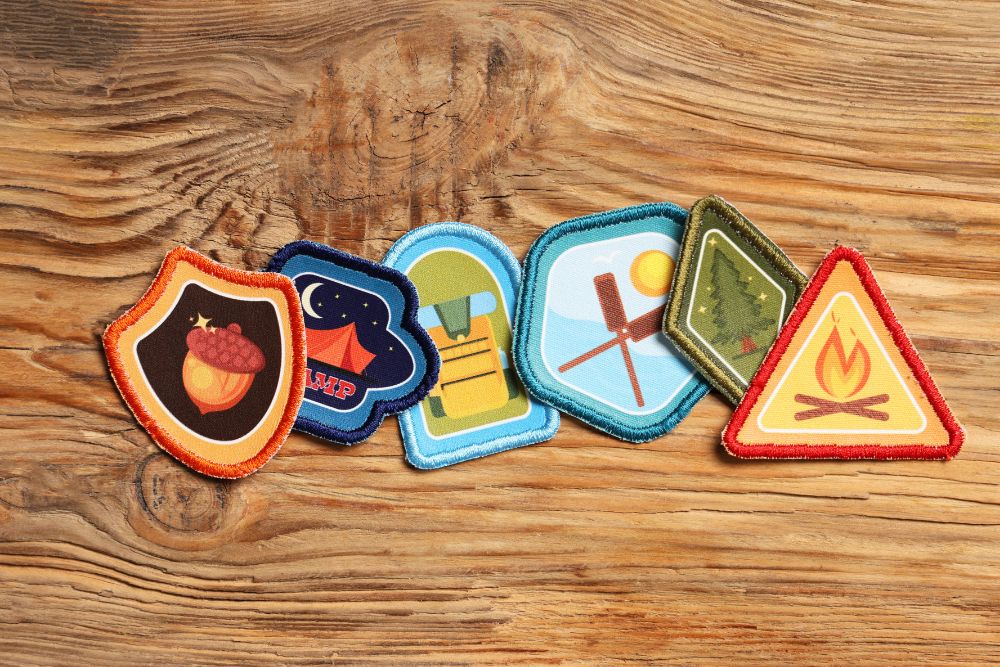
For some, a journey is measured in miles. For others, it’s measured in memories—the taste of rain on a mountain pass, the unexpected kindness of a stranger, the feeling of utter exhaustion and triumphant achievement upon reaching a summit. And for a growing number of modern adventurers, those journeys are meticulously mapped not in a digital logbook, but in the colorful, tactile architecture of a beloved, threadbare jacket. Welcome to the world of the battle jacket, where every expedition leaves a mark.
This isn’t just about clothing; it’s a living archive. When we talk about “battle jackets,” the “battle” is metaphorical, yet entirely accurate for anyone who has slogged through horizontal sleet on the West Highland Way or navigated the ancient, muddy track of the Wicklow Way. It is a battle of will, endurance, and, sometimes, navigation. These garments are a testament to our perseverance and a celebration of the places that change us. This article explores how to create that textile map, a chronicle of your adventures told through the rich language of thread.
The Foundation: Choosing Your Canvas
Before the first stitch can be made, you need the right foundation. This is your blank canvas, a garment rugged enough to withstand both the elements and the accumulation of years.
The Classic Denim Jacket:
The iconic blue or black denim jacket remains the undisputed champion of battle jacket bases. It’s tough, timeless, and the indigo dye fades beautifully, each crease becoming part of the narrative. Denim absorbs the rain and the sun, weathering alongside you. Look for a vintage piece, or a newer, unwashed dark denim that you can break in yourself.
The Canvas Field Jacket:
For those whose adventures skew more toward remote, wilderness exploration, a rugged cotton canvas field jacket, often in olive drab, tan, or brown, offers substantial pocket space and durability. It lacks the punk edge of denim but replaces it with utility and resilience.
The Waxed Cotton Jacket:
For the ultimate combination of style and weather resistance, consider a classic British-style waxed jacket. While difficult to apply patches to (you cannot use an iron!), sewing them on is highly effective. The waxed fabric creates a uniquely textured background for your colorful additions.
The Leather Biker Jacket:
The most intimidating canvas. Leather requires specialized needles and immense patience for hand-sewing, but the result is a formidable shield. Each patch on a leather jacket must be earned.
Mapping the Trail: The Essential Elements
Once your base is established, the journey of customization begins. This is where your narrative takes shape.
The Patch: Your Main Storytellers
Patches are the literal markers of your path.
Trail Patches:
The backbone of any hiking battle jacket. You earn these. Start with your signature long-distance paths: The Wicklow Way, The Kerry Way, The West Highland Way, or The Cape Wrath Trail. The official, embroidered shield-style patches are crucial. When looking for these in Ireland, your best bet is to find independent outdoor shops near the trailheads, or reliable local outfitters who understand the terrain and subculture. Finding quality iron-on patches in Ireland often means searching small, specialty vendors rather than big chains.
Mountain/Summit Patches:
If you summitted Carrauntoohil, Snowdon, Ben Nevis, or even smaller, personally significant peaks, find a patch for each. Place them strategically, perhaps creating a vertical chain of summits.
Location and Regional Patches:
Not every trip is a grueling hike. Sometimes, you just fall in love with a place. Patches for Dingle, Galway, Glencoe, or even your favorite pub (e.g., ‘The Cobblestone’ in Dublin) add color and personal texture. These can be the informal “filler” patches that connect your major achievements.
Organization and National Parks:
Patches for the National Parks of Ireland (Glendalough, Wicklow Mountains NP, etc.), the UK, or international organizations like Leave No Trace are badges of pride and stewardship.
Beyond the Trail: Cultural and Philosophical Anchors
A battle jacket isn’t just about what you did; it’s about what you value and who you are. This is where you connect your adventures to the wider world.
Band Patches:
For many, the initial inspiration for a battle jacket comes from the punk, metal, or hardcore scene. Bands that celebrate the wild, the independent spirit, and the beauty of resilience are perfect: ‘The Clash,’ ‘Neurosis,’ ‘Wolves in the Throne Room,’ ‘Primordial,’ or ‘Coroner.’ A big ‘BACK PATCH’ should be a band that truly anchors your philosophy. For hikers, perhaps a classic Black Metal logo for ‘BURZUM’ (ironically, for the atmospheric quality, not the politics), or a simple, embroidered patch of a compass.
Stencils and Text:
Use fabric paint or spray paint (stenciled with cardboard) for slogans that resonate. Classic punk calls like ‘RIOT!’ or ‘DISORDER’ are valid, but for a journey-focused jacket, perhaps stenciled quotes: “NOT ALL WHO WANDER ARE LOST,” “BORN TO ROAM,” or simple directions: “WEST” or “NORTH.” Hand-lettering with dental floss or thick cotton thread also creates a powerful, raw effect.
Spikes and Studs:
Use these sparingly unless you are going full metal. Domed pyramid studs add a great rugged texture to collar points, lapels, or cuff edges. They catch the light and add visual weight. Spikes are aggressive; limit them to shoulders or back yoke points. They turn your jacket into a statement, not just a souvenir collection.
Advanced Customization: The Personal Touch
This is where the true narrative sophistication emerges.
Creating a Narrative on the Jacket:
Don’t just place patches randomly. Think of the jacket as a map. Your back yoke (the upper back panel) should be the grandest statement—perhaps the largest path you’ve done, or a stunning landscape backpatch of Glencoe. The back center panel should have your philosophical statement (band patch, stenciled quote). The front panels can be chronological. A “first path” patch might go low on the front. Major achievements (summiting your highest peak) could be placed closer to the heart, high on the chest pocket. Your collars can hold small, subtle “pins of passage” or small studs.
Integrating Special Orders:
For specific groups (hiking clubs, search & rescue teams, military units), custom patches are standard. If you want a specific logo but need it to blend with your rugged, customizable aesthetic, consider a custom military Velcro patch design. This is perfect for when you need a patch that is easily identifiable but removable for different contexts. It adds a sophisticated layer of functional custom work.
Patches and Accessories Beyond the Jacket:
Don’t neglect the rest of your gear. Hats (especially beanies or trucker hats), backpacks, and even equipment bags are fair game. In Ireland, custom-order hat patches are a booming small business. Creating custom hat patches in Ireland allows you to put your personal marker on a crucial piece of hiking kit (your beanie or sun hat), adding consistency to your narrative thread. These can be small variations of your larger jacket patches.
DIY Stitching Techniques:
Never use an iron as your primary attachment method for battle jackets. While great for positioning, iron on patches Ireland produces can peel with time and use. The connection must be secure. Learn the basics:
- Dental Floss: The classic choice for punk jackets. It’s incredibly strong, waterproof, and creates a raw, visible ‘X’ or whip stitch.
- Thick Embroidery Thread: Gives a clean, traditional look. Use a color that complements or contrasts the patch border.
- Whip Stitch vs. Straight Stitch: A visible whip stitch (looping over the edge) shows the effort. A straight stitch (hidden beneath the patch border) is cleaner but requires more patience. Use visible, contrasted stitches on denim for a powerful look.
Conclusion:
Mapping your journeys in thread is a commitment. It isn’t done quickly. It’s an organic process that mirrors the long-distance paths themselves: slow, methodical, and requiring dedication.
Your jacket becomes a heavy, textured, slightly stiff, shield. It smells like woodsmoke, sweat, rain, and history. It is a source of conversations with strangers on trailheads who recognize the Wicklow Way logo, a point of connection at concerts, and a singular item that belongs only to you.
When you wear this textile map, you are not just wearing a jacket; you are wearing a story. You are wearing the cold air of the Glencoe pass, the ancient spirit of the Irish trackways, and every single triumph of your enduring will. It is a beautiful, personal artifact, ensuring that your battles both personal and metaphorical are never forgotten. Stitch by stitch, your path is defined.