
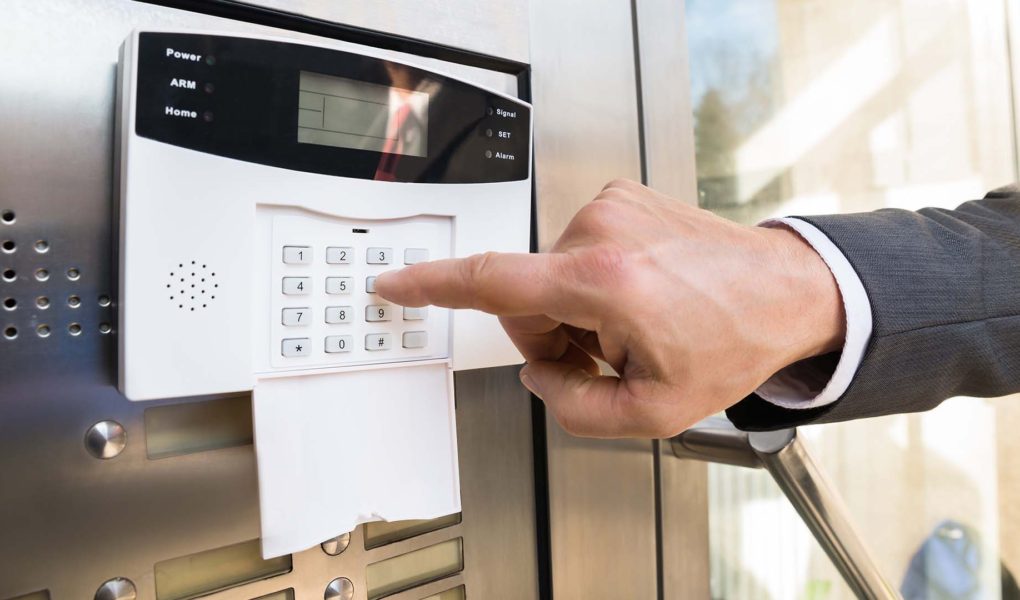
Intruder alarm systems are essential for protecting homes, offices, retail stores, and industrial properties from unauthorized access. However, one of the most common challenges property owners face is frequent false alarms. These unnecessary alerts can cause frustration, disturb neighbors, and even result in fines from local authorities. More importantly, repeated false triggers reduce trust in the security system itself. Professional intruder alarm installation plays a crucial role in minimizing these issues by ensuring accurate detection, proper calibration, and seamless integration with other security components.
False alarms often occur due to improper setup, low-quality equipment, or environmental interference. A professionally installed system is carefully configured to detect real threats while filtering out harmless activity. This precision not only enhances security but also improves long-term reliability.
Understanding the Causes of False Alarms
Before exploring how professional installation reduces false alerts, it is important to understand why they happen in the first place. Intruder alarm systems rely on sensors such as motion detectors, door contacts, glass break detectors, and control panels. When these components are poorly positioned or incorrectly calibrated, they can misinterpret harmless events as threats.
Common causes of false alarms include:
- Incorrect placement of motion sensors near windows, vents, or heating systems
- Loose door or window contacts that trigger due to vibration
- Low battery levels in wireless alarm systems
- Pets moving within detection zones
- Electrical interference affecting control panels
Environmental factors such as wind, heavy rain, insects, or sudden temperature changes can also impact poorly installed systems. Without professional expertise, it becomes difficult to fine-tune these devices for accurate detection.
The Role of Professional Assessment in Alarm Installation
Comprehensive Site Evaluation
Professional installers begin with a thorough site assessment. They evaluate entry points, high-risk areas, property layout, and environmental conditions before recommending suitable alarm equipment. This planning phase ensures that sensors are strategically positioned to monitor vulnerable areas without overlapping detection zones unnecessarily.
A customized approach prevents over-sensitivity and reduces the chances of triggers caused by non-threatening movement. By carefully mapping the property, professionals ensure balanced coverage and eliminate blind spots.
Selecting the Right Equipment
Not all alarm systems are suitable for every property. A professional installer selects devices based on property size, usage patterns, and risk level. Advanced motion detectors with pet-immune technology, dual-technology sensors combining infrared and microwave detection, and high-quality control panels significantly reduce false alerts.
High-grade equipment also offers better signal stability and encrypted communication, minimizing the risk of interference. This careful selection process contributes to improved performance and fewer disruptions.
Proper Sensor Placement and Calibration
Strategic Positioning of Motion Detectors
One of the most critical aspects of intruder alarm installation is sensor placement. Motion detectors should be installed at optimal heights and angles to detect genuine human movement while ignoring minor disturbances. For example, placing sensors away from direct sunlight prevents rapid temperature changes from triggering alarms.
Professionals also avoid installing detectors near air conditioning vents, heaters, or reflective surfaces. These areas can create fluctuations in heat patterns, which basic sensors might misinterpret as movement.
Accurate Sensitivity Settings
Sensitivity calibration is another key factor. Overly sensitive alarms are more likely to trigger unnecessarily. Professional installers adjust detection thresholds based on the environment, ensuring the system responds appropriately to actual threats.
In advanced systems, sensitivity levels can be programmed differently for daytime and nighttime modes. This intelligent configuration reduces unnecessary alerts while maintaining strong protection.
Integration with Modern Security Technology
Professional installation often involves integrating intruder alarms with other security solutions such as CCTV cameras, access control systems, and remote monitoring platforms. This integration enhances verification processes and reduces false alarms.
For example, when an alarm is triggered, linked surveillance cameras can provide visual confirmation. Monitoring centers can quickly determine whether the alert is genuine or accidental. This verification process prevents unnecessary emergency responses.
Smart alarm systems also allow remote management through mobile applications. Property owners can monitor activity, receive real-time notifications, and control settings remotely. Such advanced functionality ensures better system control and fewer accidental activations.
Companies like sahisecure volt focus on integrating modern alarm systems with smart security infrastructure, ensuring reliable detection without excessive alerts.
Professional Wiring and Signal Stability
Secure Wiring for Wired Systems
Improper wiring can lead to inconsistent signals and random triggers. Professional technicians use secure cable routing methods, ensuring that wiring is protected from environmental damage and electrical interference. Shielded cables and proper grounding techniques further enhance signal stability.
Loose or exposed wiring may cause short circuits, which can trigger alarms without any intrusion. Professional installation eliminates these vulnerabilities.
Reliable Wireless Configuration
For wireless alarm systems, signal strength and battery management are critical. Professionals test signal coverage across the property to ensure consistent communication between sensors and the control panel. They also configure backup power supplies to prevent disruptions during outages.
Regular battery monitoring and system diagnostics help prevent low-power warnings from triggering false alarms. This proactive setup improves long-term reliability.
Minimizing Human Error Through Proper Training
False alarms are often caused by user mistakes, such as entering incorrect codes, forgetting to disarm the system, or accidentally activating panic buttons. Professional installers provide thorough user training after installation. They explain how to arm and disarm the system correctly, manage access codes, and respond to alerts.
Clear instructions reduce confusion and prevent accidental triggers. Additionally, many modern systems include delay timers that allow authorized users enough time to enter or exit without activating the alarm.
Maintenance and System Testing
Professional installation does not end after setup. Ongoing maintenance plays a vital role in reducing false alarms. Dust accumulation, sensor misalignment, or outdated firmware can gradually affect system performance.
Routine maintenance typically includes:
- Testing motion detectors and door contacts
- Inspecting control panels and backup batteries
- Cleaning sensors to remove dust and debris
- Updating firmware for enhanced stability
Scheduled inspections ensure the system remains optimized for accurate detection.
Compliance with Security Standards
Professional installers follow industry guidelines and safety standards when setting up alarm systems. Compliance ensures that equipment is installed correctly and functions within recommended parameters. Many insurance providers also prefer professionally installed systems, as they demonstrate higher reliability.
Meeting regulatory requirements not only enhances security but also reduces liability risks associated with frequent false alarms.
Long-Term Benefits of Professional Installation
Choosing professional intruder alarm installation offers several long-term advantages. It reduces unnecessary disturbances, prevents penalties from excessive false alerts, and improves overall system credibility. A reliable alarm system builds trust among occupants and ensures faster emergency response when genuine threats occur.
Professionally installed systems are also more scalable. As security needs evolve, additional sensors, cameras, or smart integrations can be added seamlessly without compromising performance.
Conclusion
False alarms can undermine the effectiveness of even the most advanced security systems. However, professional intruder alarm installation significantly reduces these issues through proper site assessment, accurate sensor placement, advanced calibration, secure wiring, and smart integration. By investing in expert setup and ongoing maintenance, property owners can enjoy dependable protection without constant disruptions.
A well-installed alarm system not only deters intruders but also provides peace of mind through consistent and accurate detection. In the long run, professional installation proves to be a smarter and more reliable choice for safeguarding both residential and commercial properties.