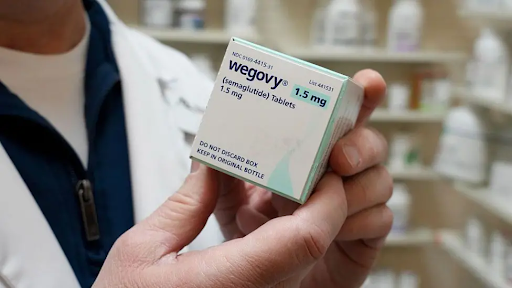
In the rapidly expanding world of weight-loss medications, innovation has become both a breakthrough and a battleground. Recently, the maker of Wegovy, a widely recognized prescription treatment for obesity, took decisive legal action against companies accused of producing and distributing alleged “knock-off” versions of its blockbuster drug. This legal move has sparked intense discussion across healthcare, pharmaceutical, and consumer communities.
As the demand for effective weight-loss treatments continues to surge, so does the risk of imitation products entering the market. Consequently, pharmaceutical companies are tightening their legal strategies to protect both intellectual property and patient safety. In this blog post, we will explore the legal action, the implications for consumers, the risks of counterfeit or compounded alternatives, and what this means for individuals looking to buy Wegovy online UK and beyond.
A Weight-Loss Revolution Under Pressure
Wegovy, developed by Novo Nordisk, has transformed the landscape of obesity treatment. Unlike traditional weight-loss supplements that rely on appetite suppressants or stimulants, Wegovy uses semaglutide, a GLP-1 receptor agonist. This compound mimics a natural hormone that regulates appetite and blood sugar levels. As a result, many patients experience significant weight reduction alongside improved metabolic health.
However, success often attracts imitation. As demand skyrocketed, shortages followed. Consequently, various pharmacies and online vendors began offering compounded or allegedly similar versions of semaglutide. While some providers argue they are meeting patient demand during shortages, Novo Nordisk contends that certain products cross legal boundaries and infringe on patents and trademarks.
The Legal Action Explained
Novo Nordisk’s legal action centers on claims that certain businesses are unlawfully marketing and selling products that resemble Wegovy. Specifically, the company alleges trademark infringement, false advertising, and patent violations. By taking this matter to court, the manufacturer aims to protect its intellectual property and ensure consumers receive genuine medication.
Moreover, the company argues that some “knock-off” drugs may mislead patients into believing they are purchasing the original FDA-approved product. Therefore, this legal effort extends beyond profits; it also focuses on safeguarding public health. After all, pharmaceutical treatments require strict manufacturing standards, clinical testing, and regulatory approval.
Understanding ‘Knock-Off’ vs. Compounded Drugs
To fully grasp the controversy, we must distinguish between counterfeit drugs and compounded medications. Counterfeit drugs are illegally produced and falsely labeled to mimic legitimate products. In contrast, compounded medications are custom-prepared by licensed pharmacists to meet specific patient needs.
Nevertheless, the line can blur. Some compounded semaglutide products have appeared during shortages, prompting regulatory scrutiny. While compounding is legal under certain circumstances, it becomes problematic when companies mass-produce drugs that closely resemble patented medications. Consequently, legal disputes often arise when intellectual property protections intersect with patient demand.
Why Demand for Wegovy Is So High
Obesity affects millions worldwide, contributing to heart disease, diabetes, and other chronic conditions. Therefore, when Wegovy demonstrated impressive clinical results patients losing up to 15% of body weight on averagec demand soared almost overnight.
Furthermore, social media amplified awareness. Influencers, celebrities, and healthcare professionals began discussing GLP-1 medications openly. As more people searched for options to buy Wegovy online UK and internationally, supply chains struggled to keep pace. This imbalance between demand and availability created opportunities for alternative suppliers to enter the market.
The Risks of Buying Unverified Alternatives
Although online pharmacies offer convenience, they also introduce risks. Consumers seeking to buy Wegovy online UK may encounter websites selling unapproved or improperly compounded versions of semaglutide. Without regulatory oversight, these products could contain incorrect dosages, impurities, or entirely different ingredients.
Additionally, counterfeit medications can undermine trust in legitimate healthcare systems. If patients experience adverse effects from fake products, they may mistakenly attribute those reactions to the authentic drug. Therefore, the manufacturer’s legal action also aims to protect the reputation of its scientifically tested treatment.
Regulatory Bodies Step Into the Spotlight
As this legal battle unfolds, regulatory agencies are closely monitoring the situation. In the United States, the FDA has issued warnings regarding certain compounded semaglutide products. Similarly, UK authorities emphasize the importance of obtaining prescriptions through licensed healthcare providers.
Regulators face a delicate balance. On one hand, they must ensure patients have access to essential medications during shortages. On the other hand, they must prevent unsafe or misleading products from entering the market. Consequently, this case could set a precedent for how future pharmaceutical disputes are handled.
Intellectual Property and Innovation
Pharmaceutical innovation requires significant investment. Companies often spend billions on research, clinical trials, and regulatory approvals. Therefore, patent protection plays a crucial role in incentivizing innovation. By defending its intellectual property, Novo Nordisk reinforces the broader framework that supports drug development.
However, critics argue that strict patent enforcement can limit access during high-demand periods. They suggest that temporary flexibility might benefit patients struggling with obesity-related health issues. Nevertheless, intellectual property laws exist to maintain fairness and encourage continued scientific progress.
What This Means for Patients
For patients, the legal dispute may feel distant and technical. Yet, its impact is tangible. If courts rule in favor of Novo Nordisk, certain alternative products may disappear from the market. Consequently, patients might face limited options during ongoing shortages.
Therefore, individuals seeking weight-loss treatment should consult qualified healthcare professionals before making purchasing decisions. Instead of relying on unverified sources, patients should prioritize safety, authenticity, and medical supervision. This approach minimizes risks and ensures proper dosage and monitoring.
The Future of Weight-Loss Medications
The legal battle over alleged knock-off weight-loss drugs signals a larger shift in the pharmaceutical landscape. As GLP-1 medications expand beyond diabetes into obesity and even cardiovascular prevention, competition will intensify. More companies are developing similar treatments, which may eventually reduce shortages and stabilize pricing.
Meanwhile, innovation continues. Researchers are exploring next-generation formulations that may offer greater weight loss or fewer side effects. Consequently, the current dispute could shape industry standards for years to come. Transparency, safety, and fair competition will remain central themes.
Consumer Awareness in a Digital Age
In today’s digital marketplace, patients often begin their healthcare journey with an online search. Phrases like buy Wegovy online UK generate thousands of results. However, not all websites adhere to medical or legal standards. Therefore, digital literacy has become an essential component of patient safety.
Consumers should verify that online pharmacies require valid prescriptions and display regulatory certifications. Moreover, they should remain cautious of prices that seem unusually low. By staying informed, patients can navigate the evolving weight-loss market responsibly and confidently.
A Defining Moment for Pharmaceutical Accountability
Ultimately, the legal action taken by Wegovy’s maker represents more than a corporate dispute. It highlights the complex intersection of innovation, demand, regulation, and patient safety. As courts evaluate the evidence, the outcome will likely influence future cases involving high-demand medications.
In the meantime, transparency and education remain critical. Patients deserve accurate information, safe products, and ethical marketing practices. Whether this lawsuit curbs the spread of alleged knockoffs or prompts broader reforms, it undeniably marks a pivotal chapter in the story of modern weight-loss medicine.
Final Thoughts
The rise of Wegovy reflects a significant advancement in obesity treatment. However, with success comes scrutiny and competition. As Novo Nordisk pursues legal remedies against alleged knockoff weight-loss drugs, the pharmaceutical industry watches closely.
For consumers, the message is clear: prioritize safety over convenience. Consult healthcare providers, verify online sources, and remain informed about regulatory updates. While innovation drives progress, accountability safeguards it. Together, these forces shape a healthcare system that balances accessibility with integrity.
Read More: the unleashed beauty